Few theological topics create as much confusion as the relationship between Israel and the Church. Are they two separate peoples of God with distinct destinies? Or are they a single, unified group sharing the exact same covenant promises?
To find a clear, Christ-centered answer, we must let Scripture interpret Scripture. By examining foundational texts like Romans 11 and Galatians 3, and reviewing historical church theology, the relationship between Israel and the Church becomes incredibly clear. You will see that God has always had one redemptive plan.
In this comprehensive guide, we will explore:
- How Galatians 3 roots God’s promises in faith, not ethnicity.
- What Romans 11 teaches about the single olive tree.
- The origins and teachings of dispensationalism.
- What the historical church believed about Israel and the Church.
The Core Debate: Israel and the Church
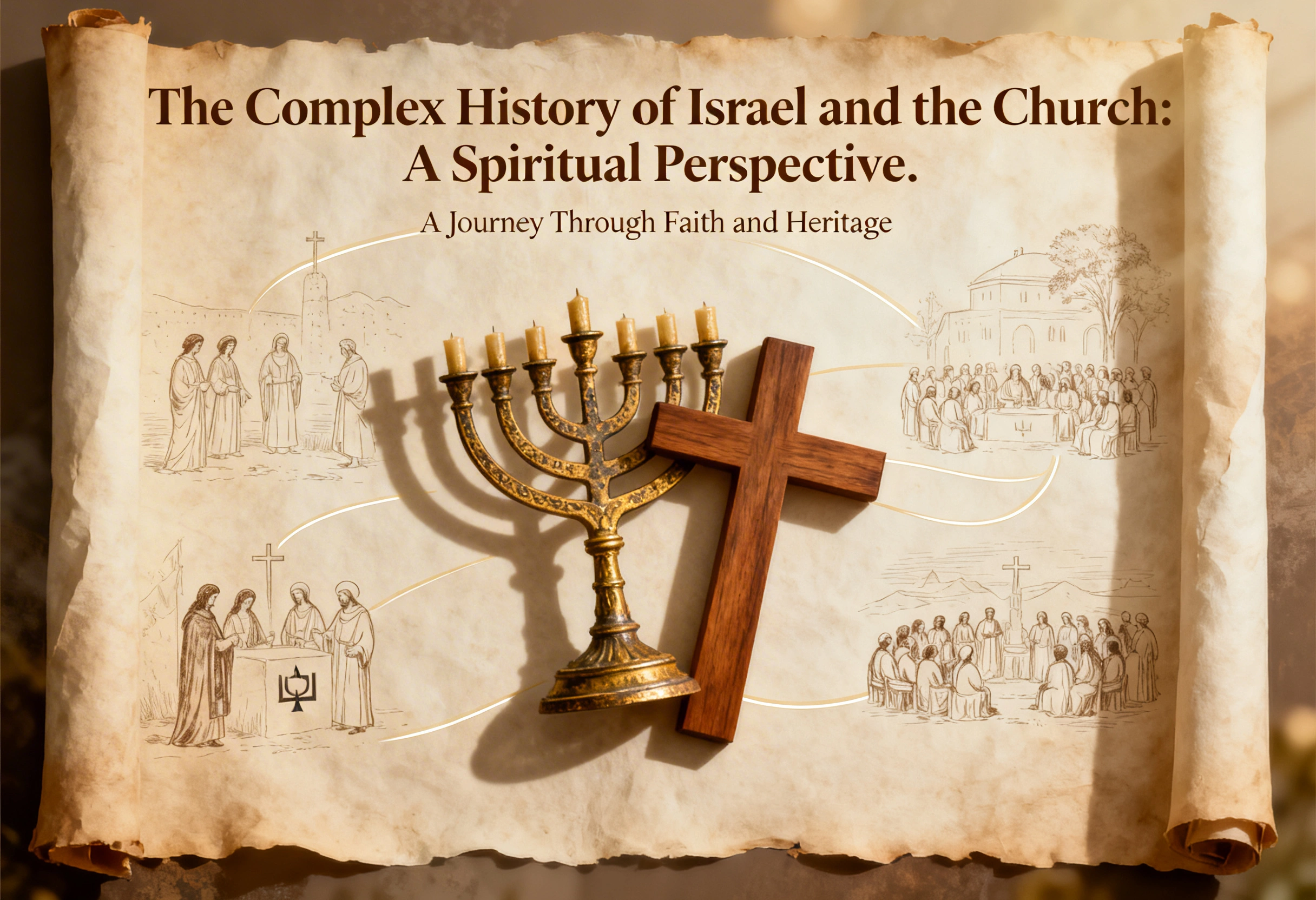
When discussing Israel and the Church, modern Christianity often splits into two camps. One camp believes God has two parallel plans-one for ethnic Israel and another for the Christian Church. The other camp believes the Church is the faithful continuation and fulfillment of true Israel, united under Jesus Christ.
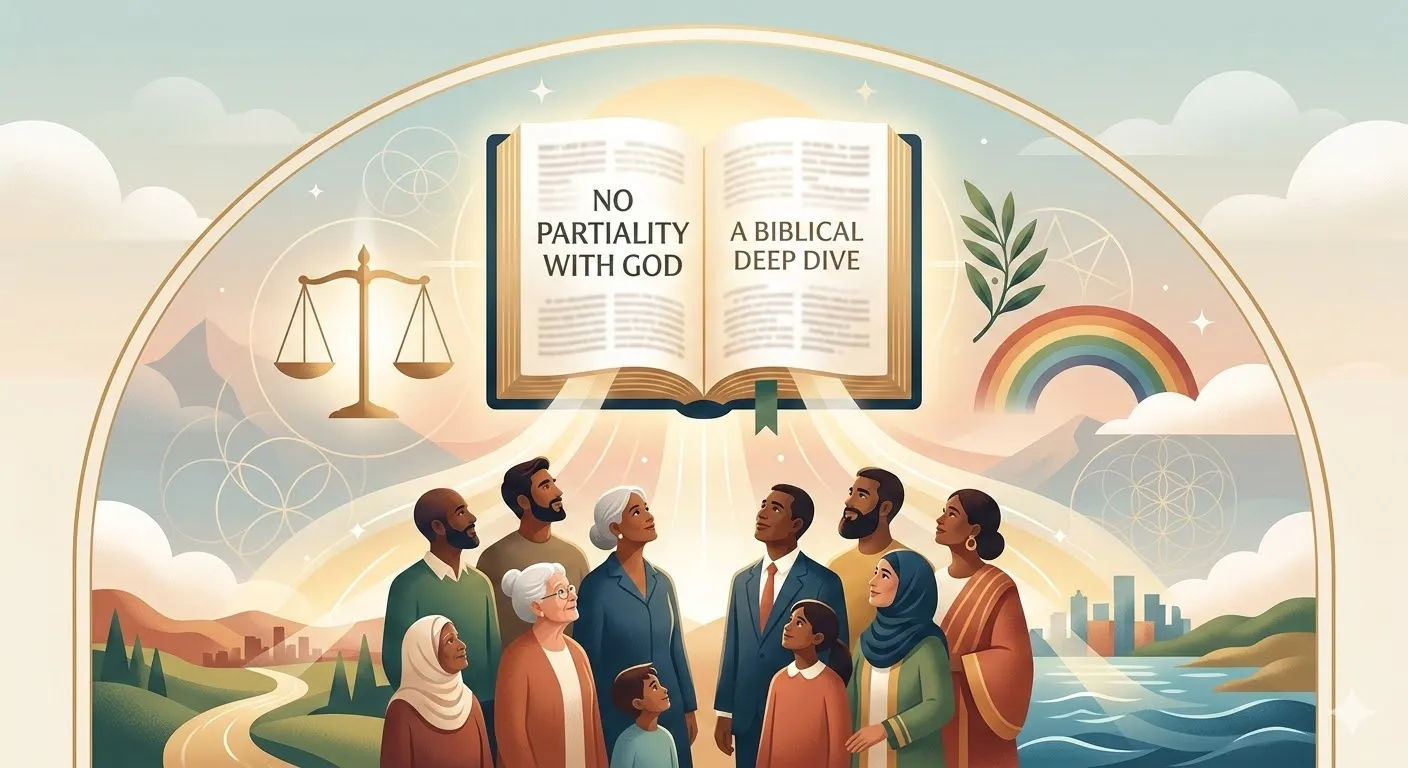
To resolve this, we need to look past modern theological trends and return to the text. The Bible consistently points to a single, unified people of God.
The Promise Begins with Abraham (Galatians 3)
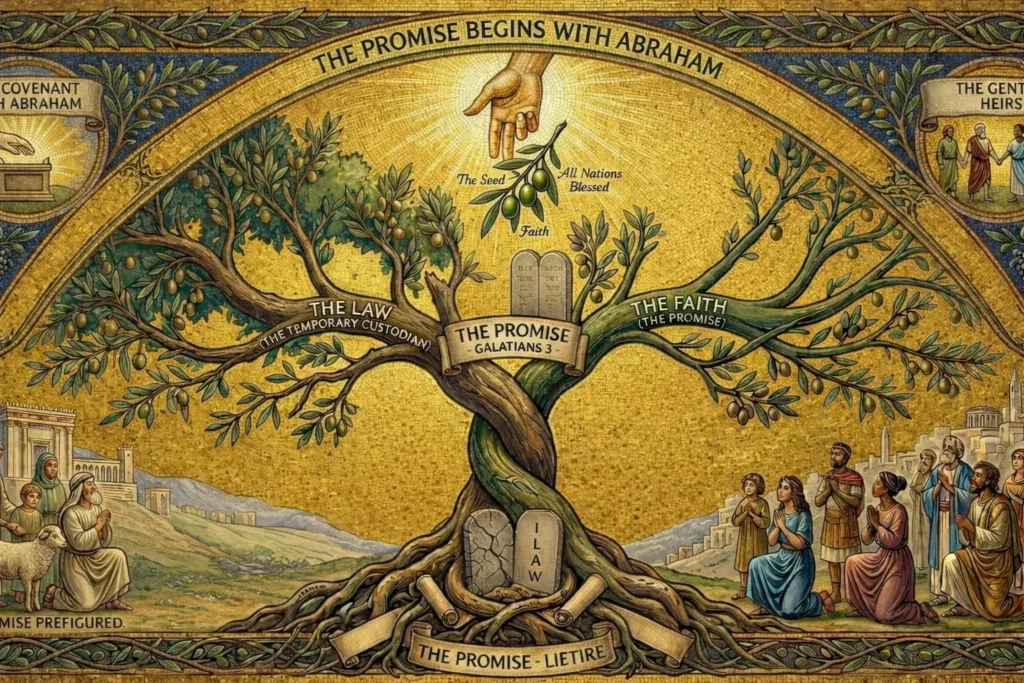
If you want to understand the dynamic between Israel and the Church, you must start with the book of Galatians. Galatians 3 anchors the entire discussion in the life of Abraham, long before the Law of Moses existed.
The Apostle Paul makes a definitive statement regarding who makes up God’s family: “Know then that it is those of faith who are the sons of Abraham” (Galatians 3:7).
Before Israel existed as a nation, God made a promise to Abraham that all nations would be blessed through him. Paul insists that this original promise was always:
- Justified by faith.
- Given long before the Law.
- Completely fulfilled in Jesus Christ.
The Mosaic Law was never meant to define God’s people permanently. Paul describes the Law as a temporary guardian until Christ arrived. Once Jesus came, covenant membership shifted away from ethnic identity and Torah observance. Instead, faith in the Messiah became the sole defining marker of God’s people.
This truth is critical when examining Israel and the Church. It proves that the people of God were always meant to be defined by their relationship to Christ.
One Olive Tree: Understanding Romans 11
While Galatians 3 explains how someone joins the family of God, Romans 11 explains the why behind historical events. Romans 11 addresses a deep tension in the early church: Why did so many ethnic Jews reject Christ, while Gentile believers flooded into the faith?
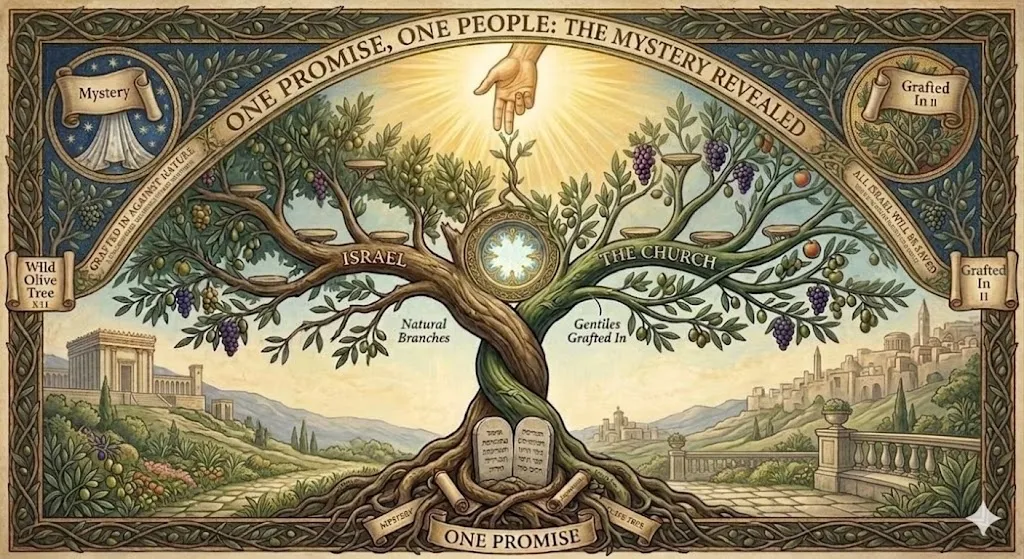
Paul does not resolve this tension by creating two separate plans for Israel and the Church. Instead, he uses the brilliant metaphor of a single olive tree.
The Components of the Olive Tree
- The Root: The covenant promise given to Abraham.
- The Natural Branches: Ethnic Israelites.
- The Broken Branches: Israelites removed due to unbelief.
- The Wild Branches: Gentile believers grafted in by faith.
Paul never suggests that God planted a new, separate tree for the Church. He also avoids saying that the Church abruptly replaces Israel. Most importantly, he does not teach that Israel has a separate covenant destiny apart from Jesus.
Paul reminds Gentile believers, “You do not support the root, but the root supports you” (Romans 11:18). This language only makes sense if we view Israel and the Church as part of one ongoing story, one redemptive root, and one unified covenant people. Both Jews and Gentiles must enter the exact same way: through faith in the Messiah.
Dispensationalism vs. Historic Christianity
To fully grasp the modern confusion surrounding Israel and the Church, we must look at a theological system known as dispensationalism.
Developed in the 1800s by figures like John Nelson Darby, dispensationalism introduced concepts entirely foreign to the early Christian believers. This system teaches a sharp, permanent distinction between Israel and the Church.
Core Tenets of Dispensationalism
- Two Destinies: Separate heavenly destiny for the Church and an earthly destiny for Israel.
- The Church as a Parenthesis: The Church age is viewed as a temporary pause in God’s primary plan for ethnic Israel.
- Future Temple Worship: A literal return to Old Testament animal sacrifices during a future millennial kingdom.
- Secret Rapture: A pre-tribulation removal of the Church before God resumes His plan with Israel.
This framework creates a massive separation between Israel and the Church. It puts Israel’s promises on hold and claims the Church does not inherit Israel’s covenant blessings. However, this creates theological problems that the Apostle Paul never held.
Comparing the Two Views
| Theological Concept | Dispensational View | Historic Church View |
|---|---|---|
| People of God | Two distinct peoples (Israel and the Church). | One unified people of God in Christ. |
| Old Testament Promises | Fulfilled literally for ethnic Israel in the future. | Fulfilled spiritually and literally in Jesus Christ. |
| The Kingdom | Strictly a future, earthly political reign. | Already inaugurated by Christ, to be consummated at His return. |
| The Church’s Role | A “parenthesis” or separate program. | The continuation and fulfillment of faithful Israel. |
What the Early Church Believed About Israel and the Church
For roughly 1,700 years before dispensationalism arose, Christians held a unified understanding of Israel and the Church. The early Church Fathers, medieval theologians, and Protestant Reformers shared several core convictions.
1. There Is One People of God
Historical theology recognizes no “two-track” system for salvation. Justin Martyr boldly stated that those led to God through the crucified Christ are the true spiritual Israel. This is not “replacement theology,” which wrongly suggests God discarded the Jewish people. Rather, it is “fulfillment theology.” The story of Israel does not end; it reaches its beautiful, intended climax in Christ.
2. Christ Fulfills All Promises
The early believers read the Old Testament exactly the way the Apostles did. They saw Jesus as the ultimate fulfillment of every shadow and type:
- The Temple points to Christ.
- The animal sacrifices point to Christ’s final atonement.
- The Levitical Priesthood points to Christ as our High Priest.
- The Promised Land points to the New Creation.
- The Davidic Throne points to Christ reigning at the right hand of the Father right now.
Returning to animal sacrifices, as some systems suggest, undermines the complete sufficiency of the cross.
3. The Kingdom is Already Here (And Not Yet)
The historic Church consistently taught that Jesus is reigning right now. We are not waiting for a future earthly kingdom to kick off His reign. His kingdom began at His resurrection and ascension, and it will be fully consummated when He returns to make all things new.
4. One Unified Return
The idea of a secret, pre-tribulation rapture is entirely absent from early creeds, church councils, Patristic writings, and Reformation theology. The historic church expected one visible return of Christ, one resurrection, one final judgment, and one renewed creation.
The Biblical Conclusion: One People, One Promise
When read through the lens of early, orthodox Christianity, texts like Romans 11 do not teach a separate covenant for ethnic Israel. They do not promise a future salvation apart from the cross.
Instead, Romans 11 and Galatians 3 leave absolutely no room for two separate peoples. Paul’s conclusion is decisive: “If you are Christ’s, then you are Abraham’s offspring, heirs according to promise” (Galatians 3:29).
There is no secondary category, no ethnic loophole, and no alternative inheritance. The inheritance is Christ Himself. Everyone who places their faith in Him shares in that exact same inheritance.
Dispensationalism offers an intricate system, but Scripture offers a unified Savior. When you study Israel and the Church through the Bible, you find one promise, one root, one olive tree, one Messiah, and one people of God. God never had two parallel plans. He has always intended for all His promises to find their ultimate “Yes” in Jesus Christ.
FAQ on Israel and the Church
Does the Bible teach Replacement Theology?
No. True orthodox theology teaches “Fulfillment Theology.” God did not replace Israel with the Church. Instead, the faithful remnant of Israel expanded to include Gentile believers through faith in Jesus. The Church is the continuation of God’s historic people.
How does Romans 11 explain the relationship between Israel and the Church?
Romans 11 uses the imagery of an olive tree. Unbelieving Israelites were broken off, and believing Gentiles were grafted in. They all share the same root, proving there is only one unified people of God, sustained by the same covenant promises.
What is the difference between Dispensationalism and Covenant Theology regarding Israel and the Church?
Dispensationalism teaches that God has two separate plans for Israel and the Church. Covenant Theology teaches that God has one unfolding plan of redemption, making Israel and the Church one continuous people of God united under the New Covenant.
Did the early church believe in a pre-tribulation rapture?
No. The concept of a secret pre-tribulation rapture was developed in the 1800s. The early church fathers, creeds, and historic reformers universally believed in a single, visible return of Jesus Christ.
Are Jewish people saved differently than Gentiles?
No. The Apostle Paul makes it clear in Galatians 3 and Romans 11 that there is only one way to be saved: through faith in Jesus Christ. God has extended His mercy to all people on the exact same terms.